
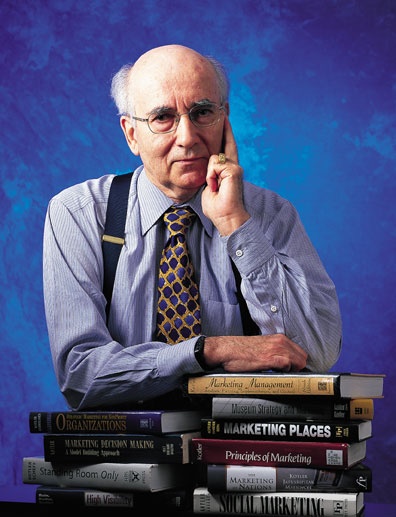
In the expansive world of marketing, few names resonate as powerfully as Dr. Philip Kotler. Often regarded as the father of modern marketing, Kotler has transformed how businesses understand and engage with consumers. At the heart of his revolutionary approach lies the marketing principle known as the four Ps—Product, Price, Promotion, and Place. In a world driven by consumer choices, Dr. Philip Kotler stands out as a beacon of marketing wisdom. As we explore his insights, let’s unravel the threads that weave marketing into the fabric of our daily lives.
The Roots of Marketing and Its Impact on Society
Marketing has evolved since its roots in the early 1900s. While traditionally seen as a sales-oriented practice, it has grown to encompass consumer behavior and societal influences. The first marketing books came from disgruntled economists who recognized the importance of factors beyond mere pricing, including advertising and consumer trust. For instance, Dale Carnegie’s classic, ‘How to Win Friends and Influence People,’ highlights the psychological underpinnings of persuasive marketing. This shift towards understanding customer needs has redefined lifestyles and consumption patterns, making marketing not just a business function, but a cultural phenomenon.
The Evolving Role of Marketers
In today’s marketplace, the role of a Chief Marketing Officer (CMO) is increasingly complex, often lasting only two years. Marketers must not only segment their audience but also understand their aspirations. Interestingly, modern marketing has moved away from the traditional sales department mentality. Instead, marketers now advocate for the customer’s voice within the company, ensuring that marketing campaigns resonate with target audiences. Companies today need a clear mission, vision, and values to stand out; think of brands like SC Johnson, which have shown a commitment to corporate responsibility while enjoying commercial success.
Place Marketing: Attracting the Right Crowd
Place marketing has emerged as a crucial component of how cities and entities attract residents, tourists, and businesses. It’s not just about beautifying a location; it’s about creating a distinct identity that appeals to digital-savvy individuals. For instance, cities like Chicago employ strategies to entice younger demographics through vibrant cultural scenes and innovative businesses. This form of marketing helps define a city’s character amidst global competition, transcending traditional approaches by using technology and social media to foster engagement and invite exploration.
Controversies in Marketing: A Double-Edged Sword
While marketing has played a transformative role in society, it hasn’t escaped criticism. Influential figures, including Ralph Nader and Naomi Klein, have raised moral concerns about consumerism and the environmental impact of relentless branding. They argue that successful marketing can lead to overconsumption and adverse societal effects. This has led to movements emphasizing social marketing, which aims to balance business interests with societal needs. For example, initiatives promoting sustainable products encourage consumers to purchase in ways that protect our environment, demonstrating how marketing can be a force for good.
The Future of Marketing: Innovation and Adaptation
The landscape of marketing is changing rapidly, thanks to digital transformation. Marketers are now exploring direct marketing channels, leveraging data to ensure accountability and refine strategies. Companies are realizing that traditional methods must evolve; for example, shifting a significant portion of advertising dollars to digital platforms requires careful consideration of ROI. As brands work towards building ecosystems and personalized experiences, companies like Harley Davidson exemplify this approach, crafting not just products but entire lifestyles that resonate deeply with their customers, thereby enhancing brand loyalty.
Conclusion:
Dr. Philip Kotler’s insights illuminate the integral role of marketing in shaping not just products, but entire cultures. As we move forward, blending ethics with innovation will be essential for marketers to navigate the complex landscape of consumer behavior.